What a Challenging Year Taught Me About Good Clinical Documentation
To say the last seven months have been challenging is an understatement.
In April, my husband spent 10 days in the hospital with unrelenting back pain. Shortly after he came home, a tree fell on our house, causing so much damage that we had to move into an apartment while the house was gutted and rehabbed. (We’re still living in that apartment!) After 40 years in one house, you can imagine the amount of accumulated stuff we had to deal with, and we were given three days’ notice to move.
A couple of days after the tree fell, my sister-in-law died. Then a best friend’s son, someone we adored, died.
Then I got diagnosed with cancer and was terrified I was dying sooner than later.
(Spoiler alert: it was caught really early. My doc says I’ll be “cured,” which is not a word normally used in the same sentence as cancer. To say I’m relieved is also an understatement. I’m ecstatic and very much alive with a good long life to look forward to.)
Throughout all of this, I continued to see clients, hold monthly consultation groups on documentation, conduct guest expert interviews, and consult with therapists around the country worried about audits.
So what did I learn?
The ability to compartmentalize is invaluable. Another way to say this? “Dissociation is highly underrated!”
My own trauma taught me how. Now, my ability to stay present during difficult situations is immense, and I’m a master at dissociation when needed. (Making lemonade from lemons, right?)
But most importantly: I learned that I couldn’t do it alone.
My incredible team and my husband kept me going. During our weekly planning meetings, my team found the logic and clarity in my ramblings. All the emails you receive, the memes you see, the customer service responses you get, every form you use; my team makes it happen.
My husband, still dealing with his own back pain, went to every medical appointment with me. He acted as my medical interpreter and memory keeper. Most importantly, he made sure I was fed and felt deeply loved.
What Does This Have to Do with Documentation?
Everything.
Because here’s the thing: even during these horribly challenging months, I never once fell behind on my clinical documentation.
Not once.
And it’s not because I’m some superhuman Documentation Wizard (though I’ll take the title). It’s because I had the right tools, the right support, and a system that didn’t require me to reinvent the wheel every single time I sat down to write yet another note or plan.
I knew what to write and how much to write. I had templates that guided my thinking without boxing me in. I had templates that prompted me for the essential information without making me feel like I was filling out a government bureaucracy form.
Having those tools meant I spent minutes on documentation instead of hours. It meant I didn’t spend my limited energy fretting about whether I’d documented enough to justify medical necessity or protect myself in an audit or a board review. It meant I didn’t avoid my notes until they piled up into an overwhelming mountain of guilt and dread.
The right tools reduced my cognitive load when I had nothing left to give.
You Don’t Have to Figure This Out Alone
This is why I’m so passionate about the Essential Documentation for Psychotherapists training. Because I know what it’s like to be overwhelmed. I know what it’s like to have too much on your plate and not enough hours in the day. I know what it’s like to lie awake at night wondering if your documentation would hold up under scrutiny.
The training gives you the complete foundation you need; all five essential clinical forms from intake through discharge, red flags for audits and ethical issues, and real-world examples that make sense. It’s six hours of learning the way therapists actually learn: through clear explanations, case examples, interactive practice, and plenty of time for your questions.
You leave with a comprehensive PowerPoint manual that becomes your ongoing reference guide, plus bonus forms and resources.
The Forms That Saved Me
But here’s what really made the difference for me during those impossible months: having the actual forms ready to use.
No staring at a generic progress note wondering what to write in the big empty box called “assessment” or “clinical content.” No second-guessing whether I’d included everything important. No mental gymnastics trying to remember the how to document a client’s specific situation while maintaining confidentiality.
Just clear, comprehensive, well-designed forms that:
- Guide your clinical thinking without constraining it
- Include the essential elements that satisfy medical necessity requirements
- Prompt you for risk assessment and treatment planning components
- Are flexible enough to use across different populations and presenting problems
- Actually make documentation faster and better
These aren’t cookie-cutter templates that make every client sound the same. They’re thoughtfully designed tools that help you capture the unique clinical picture while ensuring you don’t miss critical elements.
Good documentation forms are like having a senior clinician looking over your shoulder in the best possible way. They remind you what matters, keep you focused on what’s essential, and free up your mental energy for the actual clinical work.
The Real Lesson
When life comes at you hard, and it will, because you’re human and life is unpredictable, you need systems you can rely on. You need tools that build your confidence instead of leaving you second guessing yourself. You need support that helps you maintain your standards without sacrificing your sanity.
You cannot do this work alone. Not the clinical work, and definitely not the documentation.
My team supported me. My husband supported me. My documentation system supported me. And I still made time for the gym and yoga. I’m grateful for it all, every single day.
What’s supporting you?
If you’re still figuring out documentation on your own, still Googling “how to write a treatment plan” at 10 PM (or later), still worried that you’re missing something important, please know there’s a better way.
You don’t have to do this alone.
Let me be part of your support system. Let me give you the tools, the training, and the confidence that comes from knowing your documentation is solid.
Because when life inevitably throws you a curve ball, or a tree through your roof, or a cancer diagnosis, or any of the thousand other challenges we face, you’ll have one less thing to worry about.
Your documentation will be handled. And you can focus on what really matters: taking care of yourself, your loved ones, and your clients.
I’m still here. I’m alive. And I’m celebrating.
Life continues – beautifully, messily, unpredictably.
We just launched our brand-new shiny website, and what better way to celebrate being on this side of the grass than to offer you the resources that can genuinely make your life easier?
Ready to build your documentation support system?
Come and explore the Misery or Mastery® Essential Documentation for Psychotherapists training, grab our comprehensive forms and templates, or join the Documentation Wizard Membership Circle that gives you ongoing support and resources.
This is my gift to you and to myself. Because we’re here. We’re doing this work. And we don’t have to do it alone.
Where am I now?
My treatments are in the rear view mirror, and I’m beginning to feel like myself again. We’re still not able to move back into our own house but we’ve made our apartment look like home. My husband is still being treated for back pain but slowing improving. My incredible team has made sure Documentation Wizard is thriving. And I’m not behind on notes because I use bioethicist and attorney approved tools that cue me to include every detail needed. Even though I know how to write my notes, with the brain fog I experienced, I needed those cues!
Having the skills and the tools and the people to help you is crucial. Don’t be a lone ranger.
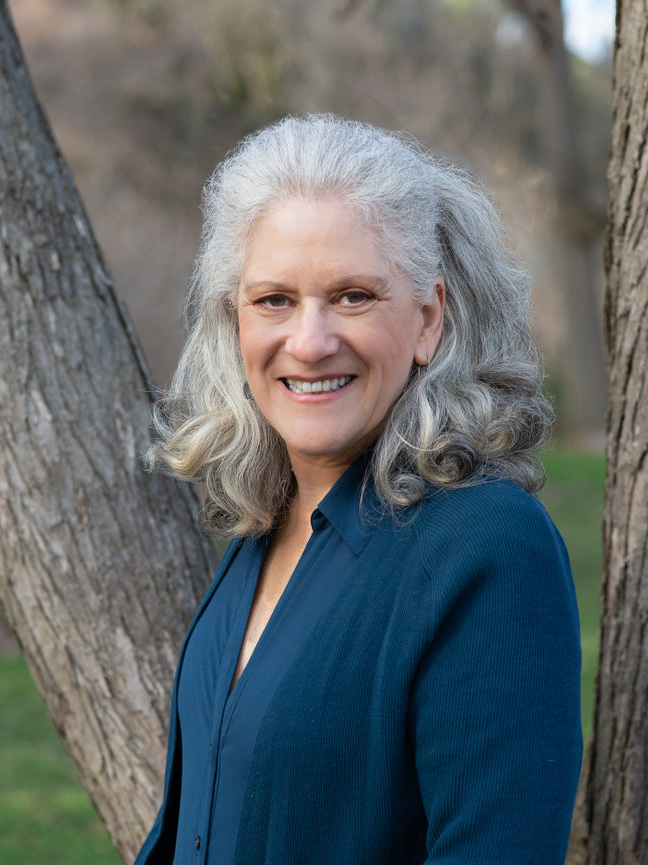
Beth Rontal, LICSW, a private practice therapist and the Documentation Wizard® is a nationally recognized consultant on mental health documentation. Her Misery and Mastery® trainings and accompanying forms (in English and Spanish) are developed to meet strict Medicare requirements. Beth’s Documentation Wizard training program helps clinicians turn their clinical skill and intuition into a systematic review of treatment that helps to pass audits, protect income, maintain professional standards of care, reduce documentation anxiety and increase self-confidence. Beth’s forms have been approved by 2 attorneys, a bioethicist, and a billing expert and have been used all over the world. She mastered her teaching skills with thousands of hours supervising and training both seasoned professionals and interns when supervising at an agency for 11 years. Her newest initiative, Membership Circle, is designed to empower psychotherapists to master documentation with expert guidance, efficient strategies, and a supportive community.