Self-Care for Therapists: The Unglamorous Truth
After nearly sixteen years in community mental health, I was exhausted. As a clinician, I did home visits. As a supervisor, I guided other clinicians doing home visits. It’s where and how I sharpened the values and vision of my work. But it was time to leave. Therapist burnout wasn’t my reality… yet, but it would be if I didn’t make a big change. Saying goodbye to my supervisees was just as hard as saying goodbye to my therapy clients.
What Self-Care for Therapists Actually Looks Like
We talk a lot about self-care in the mental health field. Instagram would have us believe it’s about bubble baths, face masks, and Sunday brunches with mimosas. Snarky memes would have us believe self-care is impossible.
In community mental health I worked in some of the poorest and crime-ridden neighborhoods in the city. I, like so many other young interns and senior clinicians, walked in the most dangerous neighborhoods in the city, often oblivious to the possibility of danger because these were my people. I hospitalized clients in crisis, de-escalated angry and hostile situations, helped a clinician process a murder she witnessed, and supported another who was mugged getting into her car after leaving a client’s home. Yet I also witnessed miracles: clients who transformed their lives in ways that seemed impossible at the beginning of treatment. Therapists who made deep and healing connections with scared and difficult-to-reach clients.
When you’ve spent your career sitting on milk crates in homes where furniture is a luxury, memorizing every usable public bathroom in the city, and hovering over toilets in apartments where seven people share one bathroom, you learn that real self-care looks nothing like the commercialized version we may fantasize about. Through it all, I learned this fundamental truth: if you can survive in community mental health, you can thrive almost anywhere else. But only if you do your own work.
When you’re a therapist, the professional is personal, and the personal is professional.
When I was leaving community mental health, in the final moments of my goodbye party, I realized that the most important message I could leave my supervisees had nothing to do with clinical techniques or diagnostic criteria. It was about survival. Not their clients’ survival, but their own. Not just survival either. I wanted them to thrive.
My parting words were about compassion fatigue and burnout in the face of productivity requirements, unending progress notes, recurring treatment plans, and suicidal clients. I talked about recognizing when you’re bored or cynical with your work – and you will be because it happens to all of us.
Here’s what I talked about:
- Why traditional self-care advice fails mental health professionals.
- How to recognize burnout warning signs before you’re fried.
- Strategies for preventing or overcoming compassion fatigue.
- Practical systems that work for busy therapists, which may not be what you think.
Warning signs of therapist burnout:
- Becoming less present with clients
- Blaming clients for not making progress
- Clock-watching
- Relief at cancellations
- Being behind on documentation
- Emotional numbness, detachment, and cynicism
- Dreading the work that once energized you
- Emotional and physical exhaustion
- Doom scrolling on social media
“Boredom, irritation, and exhaustion are red flags,” I said, “not inevitable occupational hazards you must silently grin and bear.”
Self-Care Through Supervision
The sacred space of support isn’t just for the client. It’s also for the clinician. I came to believe that the supervision hour is just as important and sacred as the therapy hour.
My greatest pleasure was watching my supervisees grow, and the most important thing I taught them was not how to document their work. It was this: when you’re stuck with a client, look inside first to see what your own trigger is. From that space of self-awareness, develop your interventions. They will be more targeted, more heart-centered, and more effective.
This isn’t the kind of self-care that feels good in the moment. It can feel like looking directly at the sun: uncomfortable, revealing, and sometimes painful. It’s recognizing that you can’t just be supportive; you need to be supportable and to receive care, not just give it. It requires vulnerability that many helpers resist because we’re trained to be the strong ones, the fixers, and the ones with answers.
Do Therapists Need to be in Therapy?
Yes. No. Maybe. It’s been said so many times it sounds trite – but it’s also true. We are the instruments of our work. Getting triggered by our client’s “stuff” comes with the territory. We need a safe place to process whatever stands in the way of doing good work. If you find yourself becoming blunted, hollow, and judgmental, consider finding a therapist for yourself. When we’re supported, we can support others.
Practice Self-Care Strategies
Self-care looks different for everyone, and different kinds serve different purposes. These are two traditional ones for a good reason:
- Take a vacation (even a one-day stay-cation) not just because you’ve “earned it,” but because you need a break from responsibility and a chance to see things in new ways. Creativity is almost impossible without rest and refueling.
- Invest in continuing education. If you feel “stale,” take a training not just for the required CEs, but to reignite your creativity. Choose a training that tickles something deep inside you.
Then there’s the self-care no one wants to talk about because it’s hard and often painful. It’s not relaxing. It doesn’t fit the spa-day image or get solved by posting in a Facebook group for therapists.
Build Your Support Network
One of the most effective burnout prevention strategies is having a community that truly understands the unique challenges of this profession. Our non-therapist friends mean well, but they can’t fully grasp what it’s like to hold someone’s darkest moments or to navigate ethical complexities. In fact, many of our friends think we’re either saints or crazy for the work we do.
Find your people
These connections can happen one-on-one over coffee or dinner, where you can process a difficult case or simply share the unspoken challenges of “the work.” They can also happen in consultation groups, whether peer-led or facilitated by a paid consultant. I’ve been a member of a paid consultation group for fifteen years. We show our rough edges, therapeutic mistakes, ethical dilemmas, and moments of doubt without being judged.
What this kind of support offers:
- Sharing struggles without judgment
- Celebrating “wins” with people who understand the deep satisfaction of helping people lead more fulfilling lives
- Having colleagues who embody that the antidote to shame is sharing with people who care
- The reminder that you’re not alone in this work
- Access to collective wisdom that’s far greater than what any of us can reach alone
- A deep trust that allows us to refer to each other with confidence.
Both being in a consultation group and in therapy takes the kind of courage we may prefer to avoid. But to quote Hillel the Elder, a Jewish scholar, “If I am not for myself, who will be for me? If I am only for myself, what am I? And if not now, when?”
The Mundane Self-Care
Sometimes self-care looks decidedly mundane but makes an enormous difference in our daily stress levels. It’s not just getting enough sleep, eating well, and exercising. For many therapists, being behind on documentation creates a background hum of guilt and dread. Catching up on overdue notes might not sound like self-care, but the relief that comes from having a clean slate absolutely is.
My Personal Journey: Choosing Growth Over Burnout
After sixteen years, four clinic directors, seven bosses, fifty supervisees, and a client productivity level I no longer wanted to sustain, I recognized my own need for change before cynicism set in.
My radical self-care included:
- Resigning from the clinic. Leaving is never an easy decision, but it may be the right one.
- Making an intentional exit plan. Failure is almost impossible with a plan and a deadline.
- Opening a private practice. It took three months to leave with a caseload that could sustain me.
- Taking a year-long training that transformed my work. It also transformed me.
- Taking voice lessons and writing a one-woman show. They had nothing to do with my professional identity and everything to do with welcoming and nurturing the creative parts of me aching to express themselves.
- Getting professional coaching. I knew nothing about writing a play!
- Teaching my first Documentation Wizard training. I started with 6 therapists in a small office and nurtured it to teaching 1000s online and in person.
This new life only became possible because I embraced radical self-care. It’s the hard kind that involves honest self-assessment, professional development when you’d rather zone out, and seeking support when you’d rather pretend you have it all together. It may mean leaving a job you’ve held for sixteen years because staying would mean slowly sinking into cynicism, rather than continuing to grow. It means taking risks and trusting yourself to get the support you need. “If not now, when?”
Sustainable Self-Care is a Constant Creation
Real self-care is more than treating yourself; it’s about being honest with yourself. It’s not about rest as reward; it’s about rest as necessity. It’s not about pampering; it’s about paying attention to the signals your body, mind, and spirit are sending you before they start screaming. Real self-care is not one and done.
So, take the bubble bath if it’s calming and get the manicure if it makes you feel human. But don’t confuse these pleasant moments with the deep, challenging, unglamorous work of caring for yourself.
10 Practices to Prevent Burnout
- Attend therapy appointments (even when you’d rather skip).
- Have difficult conversations with supervisors.
- Set boundaries that feel uncomfortable.
- Create or join a consultation group where you feel safe to be vulnerable about your limitations.
- Find your therapist tribe. Make therapist friends who understand our unique challenges.
- Develop systems that manage mundane stressors and free up your time.
- Do something creative that challenges you to see things in new ways.
- Do the thing you dream of doing.
- Constantly ask: Am I still growing or just going through the motions?
- Above all – get support and be supportable.
That’s the legacy I wanted to leave my supervisees on my last day at the clinic 12 years ago: not just be better clinicians, but whole people who understand that caring for themselves with rigor and honesty is not separate from their professional excellence. It’s the foundation of it. That’s the message I want to pass on to you, too.
“Boredom, irritation, and exhaustion are red flags, not inevitable occupational hazards you must silently grin and bear.” When you’re not drowning in paperwork anxiety and when you feel known, valued and supported, you have more emotional bandwidth for the work and the joy of being a therapist.
The Sacred Space of Support
Join the Documentation Wizard Membership Circle
Self-care is why I created the Documentation Wizard Membership Circle. We offer:
- Monthly consultation groups for clinical issues and documentation challenges
- 1-hour expert interviews that educate and inspire
- Practical support for staying current with notes
- A community that understands your unique challenges
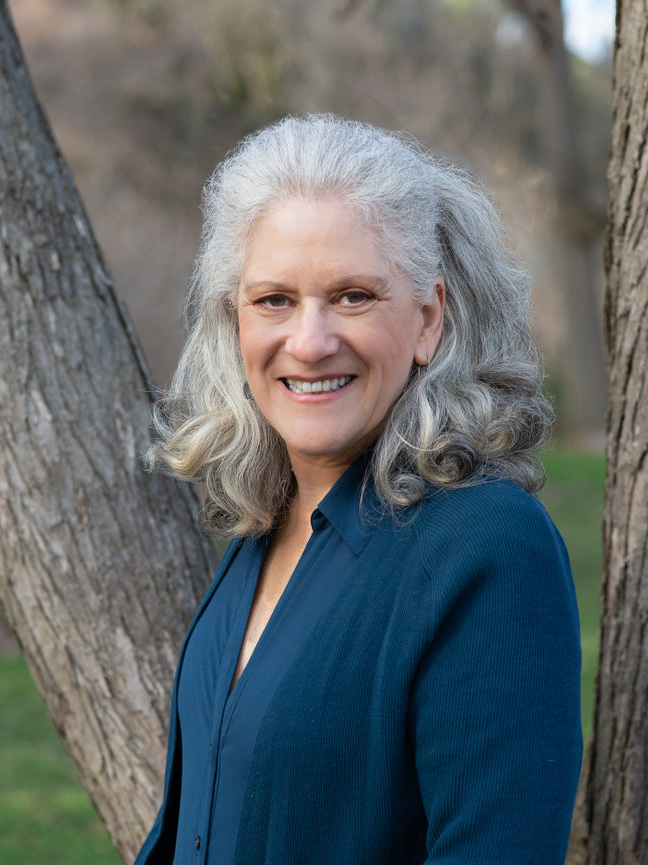
Beth Rontal, LICSW, a private practice therapist and the Documentation Wizard® is a nationally recognized consultant on mental health documentation. Her Misery and Mastery® trainings and accompanying forms (in English and Spanish) are developed to meet strict Medicare requirements. Beth’s Documentation Wizard training program helps clinicians turn their clinical skill and intuition into a systematic review of treatment that helps to pass audits, protect income, maintain professional standards of care, reduce documentation anxiety and increase self-confidence. Beth’s forms have been approved by 2 attorneys, a bioethicist, and a billing expert and have been used all over the world. She mastered her teaching skills with thousands of hours supervising and training both seasoned professionals and interns when supervising at an agency for 11 years. Her newest initiative, Membership Circle, is designed to empower psychotherapists to master documentation with expert guidance, efficient strategies, and a supportive community.