The Case for Spanish Language Forms
Documentation Wizard’s commitment to inclusive care.
When clients walk into a therapist’s office for the first time, whether in person or virtually, they’re already taking a courageous step. They’re preparing to share their struggles, their stories, and their most vulnerable moments. The last thing they should encounter is a stack of forms they can’t fully understand.
This is the case for millions of Spanish-speaking adults in the US for whom English is not their native language. In the absesnce of a biligual therapist, while their conversational English may be okay for therapy sessions, the formal language used in intake forms, consent documents, and policies can be far more difficult to comprehend.
This is why Documentation Wizard recently completed a comprehensive project to translate all the client-facing forms into Spanish. We believe this work represents more than just good business practice. It’s a matter of ethics, accessibility, and genuine care.
The Hidden Barrier of Language
Imagine sitting in a waiting room, being handed a consent form that discusses your rights, confidentiality limits, and treatment expectations, but all in a language that isn’t your first. You might recognize the words. You might get the general idea. But do you truly understand what you’re agreeing to? Do you feel confident asking questions? Do you feel seen and respected?
For millions of Spanish-speaking people in the United States, this scenario isn’t hypothetical. It’s a routine experience that can undermine the therapeutic relationship before it even begins. When clients must navigate complex legal and medical terminology in their non-native language, several problems arise:
- Informed consent becomes compromised. Clients may sign documents without fully understanding their rights, privacy protections, or the limits of confidentiality.
- Trust is harder to establish. When the intake process feels confusing or alienating, clients may question whether the therapist truly understands or values their cultural context.
- Critical information gets lost. Clients may hesitate to ask clarifying questions about forms, leading to misunderstandings about policies, fees, or treatment expectations.
- The power imbalance widens. Language barriers can make clients feel less empowered in the therapeutic relationship, reinforcing feelings of marginalization.
Our Translation Process: Precision Meets Accessibility
At Documentation Wizard, we don’t take shortcuts. We understand that translating therapeutic and legal documents requires specialized expertise. Here’s how we approached it:
Professional Medical and Legal Translation
We partnered with a translation company that specializes in medical and legal terminology. This wasn’t a job for general translators or automated tools. Mental health forms contain nuanced concepts about confidentiality, mandatory reporting, treatment modalities, and client rights that demand precision.
Built on a Strong Foundation
Our English forms were already developed with care and over 20 years of documentation expertise. Each one was reviewed by a bioethicist to ensure they upheld the highest standards of ethical practice and approved by three attorneys to ensure legal soundness. The Spanish translations maintain that same standard of excellence.
Clear, Accessible Language
We deliberately avoided psychobabble and legalese in both languages. Our forms use plain language that respects clients’ intelligence while ensuring clarity. Whether someone reads our forms in English or Spanish, they’ll find them straightforward and easy to understand, while still meeting legal requirements.
Maria’s Story: When Language Opens Doors
Maria had been in the United States for eight years, working two jobs to support her family. She spoke conversational English well enough to navigate daily life, but when her anxiety became overwhelming, she finally decided to seek therapy.
At her first appointment, the receptionist handed her a clipboard with intake forms – all in Spanish. Maria paused, surprised. She began reading about confidentiality, her rights as a client, and the limits of privacy protection. For the first time in months, she felt her shoulders relax slightly.
When she had a question about the emergency contact section, she didn’t hesitate to ask the receptionist in Spanish. She understood exactly what she was signing. She knew what to expect. And when she finally sat down with her therapist, she wasn’t carrying the additional burden of confusion or uncertainty about the paperwork.
Beyond Compliance: The Deeper Impact
Offering forms in a client’s native language isn’t just about meeting legal requirements or checking a box. It sends a powerful message: You belong here. Your language matters. Your understanding matters. You matter.
This seemingly simple act can:
- Reduce anxiety during the already-stressful intake process
- Demonstrate cultural humility and respect for clients’ backgrounds
- Improve therapeutic outcomes by establishing trust from the first interaction
- Empower clients to be active participants in their own care
- Expand access to mental health services for underserved communities
When clients can read, comprehend, and sign forms in their native language, they enter the therapeutic space with greater confidence and clarity. They understand their rights. They know what to expect. They feel respected.
A Foundation for Culturally Responsive Care
Language accessibility is just one component of culturally responsive practice, but it’s a crucial one. It signals to Spanish-speaking clients that the therapist values inclusive care and has taken concrete steps to make services accessible.
For therapists using Documentation Wizard, offering forms in Spanish (and English) means you can focus on what matters most: building genuine connections with your clients and providing effective care. The administrative foundation is solid, accessible, and ethically sound.
Moving Forward Together
Documentation Wizard’s Spanish forms are available now to all users. We’re proud of this milestone, and we see it as part of our ongoing commitment to supporting therapists who serve diverse communities.
We believe that at the end of the day, mental health care should be accessible to everyone, specifically in the language they think in, dream in, and heal in.
“I felt like someone was thinking about people like me,” Maria later shared. “Like I wasn’t just supposed to figure it out on my own.”
That small administrative choice of offering forms in Maria’s native language helped establish trust before the therapy even began.
Serving Spanish-speaking clients requires more than good intentions.
Our Spanish-Language Forms are designed to support clearer communication around policies, consent, and expectations. Providing information in a client’s primary language supports understanding and strengthens the therapeutic relationship.
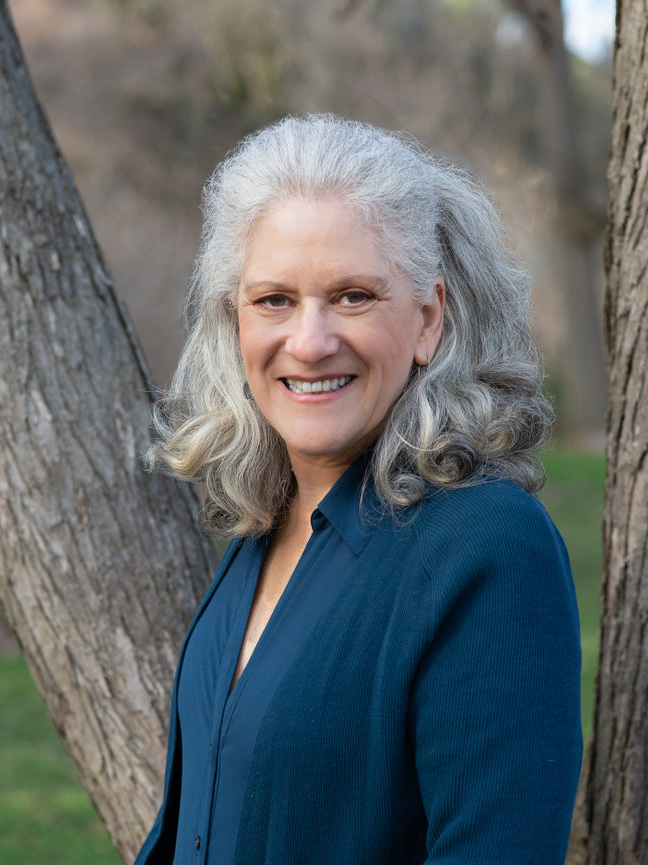
Beth Rontal, LICSW, a private practice therapist and the Documentation Wizard® is a nationally recognized consultant on mental health documentation. Her Misery and Mastery® trainings and accompanying forms (in English and Spanish) are developed to meet strict Medicare requirements. Beth’s Documentation Wizard training program helps clinicians turn their clinical skill and intuition into a systematic review of treatment that helps to pass audits, protect income, maintain professional standards of care, reduce documentation anxiety and increase self-confidence. Beth’s forms have been approved by 2 attorneys, a bioethicist, and a billing expert and have been used all over the world. She mastered her teaching skills with thousands of hours supervising and training both seasoned professionals and interns when supervising at an agency for 11 years. Her newest initiative, Membership Circle, is designed to empower psychotherapists to master documentation with expert guidance, efficient strategies, and a supportive community.